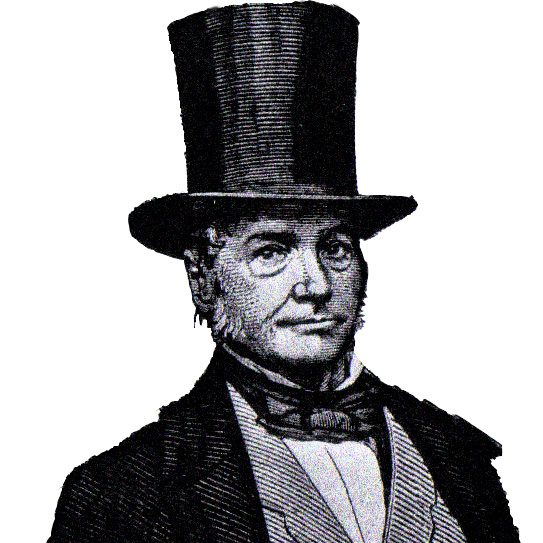
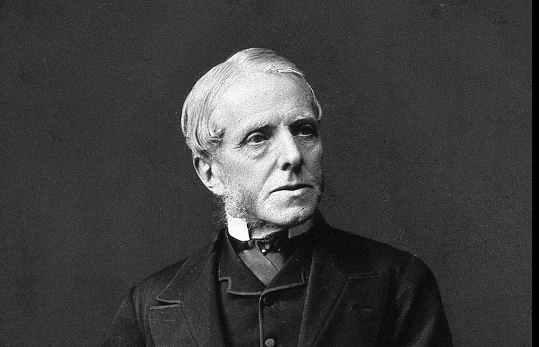
Henry Littlejohn was born in 1826 and worked closely with the police in Edinburgh.
He certified the death of John Gray, the policeman who reputedly owned the famous dog known as Greyfriars Bobby.
James McLevy would consult him on cases, for instance, “The Dead Child’s Leg”.
In 1862, Henry Littlejohn was formally appointed Surgeon of Police and Medical Officer of Health of Edinburgh, a position he held until 1908.
In 1865, Littlejohn published a report on the sanitary conditions in Edinburgh, which became a model for many similar works both at home and abroad. For many years, Littlejohn was Medical Advisor to the Crown in Scotland in criminal cases and was frequently called upon to give evidence in cases of murder and other serious crimes.
One of the main legacies of Littlejohn’s life and work was the Royal Hospital for Sick Children in Edinburgh, which he co-founded with Dr John Smith.
👶 Early Life and Education
- Born: May 8, 1826, in Leith, Scotland (Edinburgh’s port district).
- He studied medicine at the University of Edinburgh, one of the top medical schools in Europe at the time.
- Continued his medical training in Paris, which was then a hub for progressive medical education.
- Returned to Edinburgh deeply influenced by the sanitary reform movement that was gaining traction across Europe.
👨⚕️ Medical Career and Public Health
- In 1862, he was appointed Medical Officer of Health for Edinburgh — the first person to hold this position.
- His most famous work, the 1865 Report on the Sanitary Condition of Edinburgh, revealed shocking levels of poverty, disease, and overcrowding in the city.
- He used detailed maps, data, and mortality statistics to show that poor housing and sanitation were directly linked to high death rates.
- This report became a blueprint for reform, influencing public policy for decades.
🏛️ Urban Reform and Civic Legacy
- His report directly inspired many improvements under the Edinburgh Improvement Act of 1867, which led to slum clearance and street widening.
- Worked closely with civic leaders, including William Chambers, to modernize the Old Town.
- Advocated for clean water supplies, better sewage systems, and waste removal.
- Also helped implement new building regulations to prevent unsafe, unhealthy tenements from being constructed.
🔬 Forensic Medicine and Criminal Justice
- From 1864, he served as Police Surgeon and Medical Adviser to the Crown in Scotland.
- Became one of the UK’s first forensic pathologists, providing expert evidence in criminal cases.
- His analytical and methodical approach helped convict several notorious criminals, including:
- Eugène Chantrelle (a teacher who poisoned his wife),
- The Ardlamont Murder Case, where he applied forensic principles decades ahead of his time.
👨🏫 Academic and Professional Recognition
- Professor of Forensic Medicine and Medical Jurisprudence at the University of Edinburgh from 1897 to 1906.
- Knighted in 1895 for his services to public health.
- A fellow of several scientific and professional societies, including:
- The Royal Society of Edinburgh
- The Royal College of Surgeons of Edinburgh
🪦 Death and Legacy
- Died on September 30, 1914, aged 88.
- Buried in Dean Cemetery, Edinburgh.
- Remembered as a visionary reformer who brought science, compassion, and discipline to the problems of Victorian urban life.
- His legacy continues in Edinburgh’s public health systems, legal medicine, and even in popular culture (some believe he partly inspired Sherlock Holmes, due to his forensic work and connection to Edinburgh).


how long did Littljohn’s career last, do you know? I’m working on a novel set in 1881. Great site, thank you!!