⚖️ The Case of Eugène Chantrelle (1878)
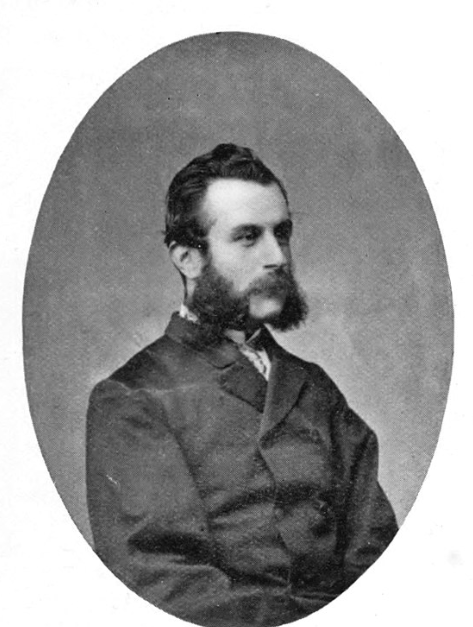
🧔 Who was Eugène Chantrelle?
- A French teacher living in Edinburgh, Chantrelle taught at the Edinburgh Institution for Languages and Mathematics.
- He was married to Elizabeth Dyer, a much younger woman (she was 16 when they married, and he was 30).
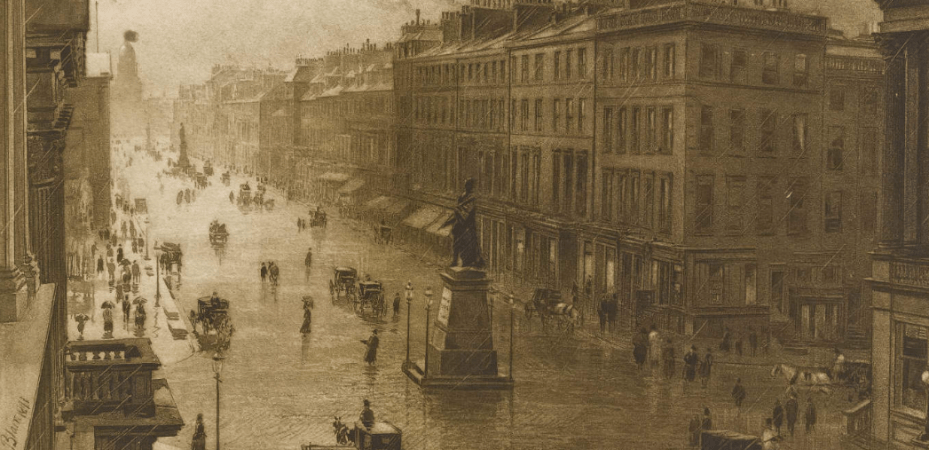
- They lived at 81 George Street in the New Town and had children.

💀 The Crime
- On January 2, 1878, Elizabeth Chantrelle was found unconscious and dying.
- She died soon after — and her death was initially thought to be due to gas poisoning from a leaking pipe.
- However, inconsistencies in her symptoms and Chantrelle’s behavior raised suspicion.
🕵️ Investigation
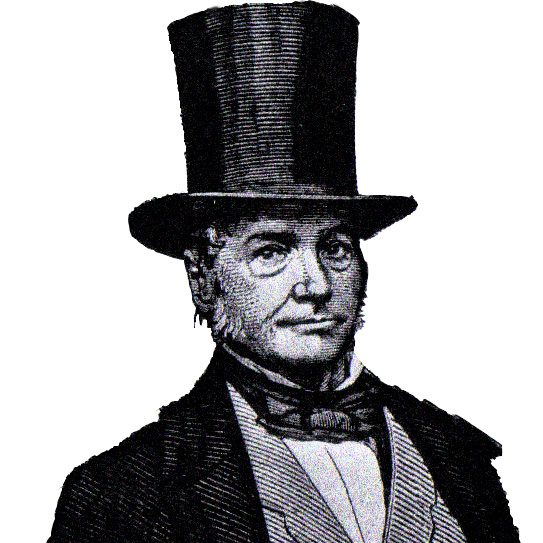
- Sir Henry Littlejohn, the city’s Medical Officer and a respected forensic expert, was called in.
- A post-mortem examination showed no evidence of gas poisoning — instead, Littlejohn discovered traces of opium in Elizabeth’s stomach.
- The quantity and form of the opium suggested deliberate poisoning, not accidental overdose.
🔬 Forensic Evidence
- Littlejohn’s expert testimony was central. He:
- Proved that Elizabeth had been poisoned with morphine.
- Showed that the drug was administered without her knowledge.
- Revealed Chantrelle had recently taken out a large life insurance policy on his wife.
- Further evidence:
- Witnesses said Chantrelle frequently abused and threatened Elizabeth.
- He had also bought morphine in the days leading up to her death.
🧑⚖️ The Trial
- The trial was held at Edinburgh High Court in May 1878.
- The evidence, especially Littlejohn’s testimony and the circumstantial links, overwhelmingly pointed to guilt.
- Chantrelle was found guilty of murder and hanged at Calton Jail on May 31, 1878.
👣 Historical Significance
- One of the first high-profile cases in Scotland to rely heavily on forensic toxicology.
- Demonstrated how science and medicine could support criminal justice.
- Cemented Littlejohn’s reputation as a leading forensic expert.
- It’s believed this case helped inspire the growing scientific detective fiction genre — Arthur Conan Doyle (then a medical student in Edinburgh) followed the case closely and was inspired by Littlejohn and his methods.
References
 James McLevy