
The 1840s, often called “The Hungry Forties”, were a decade of hardship and transformation across the United Kingdom. Like many cities, Edinburgh faced rising social pressures but witnessed remarkable scientific, cultural, and infrastructure developments.
Timeline of Key Events: 1840s
| Year | Event | Significance |
|---|---|---|
| 1840 | Penny Post introduced | Made sending letters affordable for all |
| 1842 | Edinburgh–Glasgow Railway opens | Boosted trade and travel |
| 1845–52 | Irish Famine | Mass migration to cities like Edinburgh |
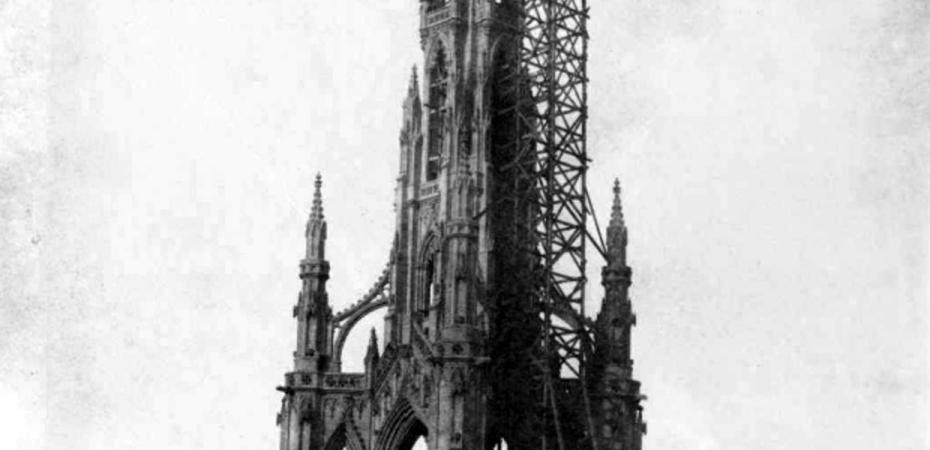
| 1846 | Scott Monument | Opened |
| 1846 | Repeal of the Corn Laws | Marked a shift toward free trade |
| 1847 | Chloroform first used in surgery | Major medical breakthrough in Edinburgh |
| 1848 | Chartist petition rejected | Highlighted demands for democratic reform |
| 1848 | National Gallery of Scotland established | Cultural milestone for the city |
Life in Edinburgh
Urban Challenges Intensify
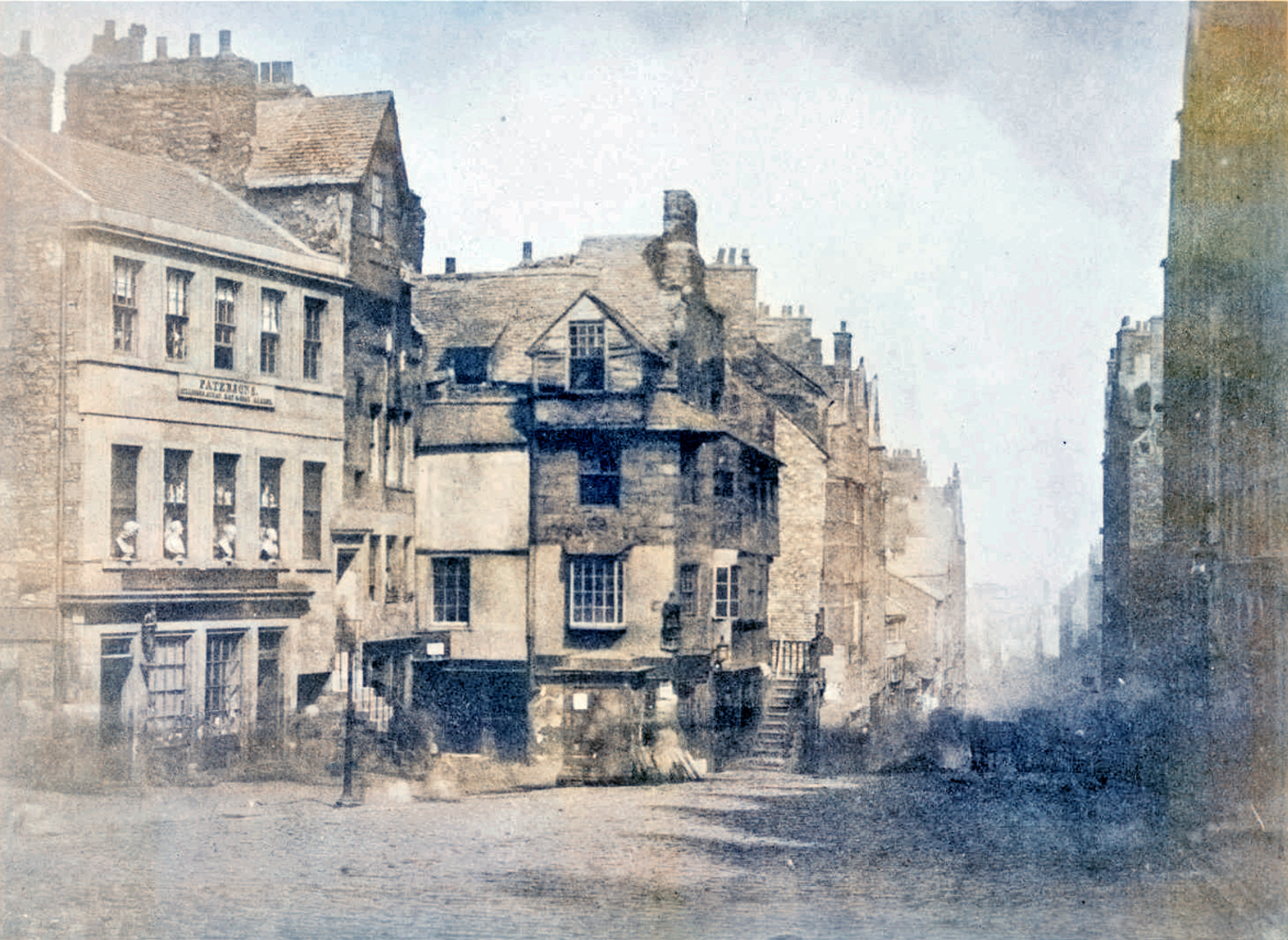
By the 1840s, the stark contrast between Edinburgh’s elegant New Town and the overcrowded Old Town had become a pressing issue. As population pressures mounted—particularly with the arrival of Irish migrants fleeing the Great Famine—conditions in the Old Town deteriorated. Sanitation was poor, diseases were common, and reformers began to demand improvements.
Arrival of the Railway
A major turning point came in 1842 with the opening of the Edinburgh and Glasgow Railway. Travel time between the two cities dropped to under two hours. This helped integrate Edinburgh more tightly into Scotland’s industrial economy, and the groundwork for Waverley Station was laid.

Medical Breakthroughs
In 1847, Dr. James Young Simpson, an Edinburgh physician, became the first to demonstrate the use of chloroform as an anaesthetic, revolutionising surgery. Edinburgh’s global reputation as a centre for medical innovation was further solidified.
Cultural Growth
The foundations for what would become the National Gallery of Scotland were laid in 1848, part of the city’s continued commitment to arts and culture. While still struggling with poverty and overcrowding, Edinburgh retained its stature as the intellectual heart of Scotland.
Across the United Kingdom
Economic Hardship and Reform
The UK was grappling with a major economic depression. Known as the “Hungry Forties”, this period saw high unemployment, rising food prices, and unrest. In response, Prime Minister Robert Peel repealed the Corn Laws in 1846, a bold move toward free trade that helped lower food prices—but also split the Conservative Party.
The Irish Famine and Migration
From 1845 to 1852, the Irish Potato Famine devastated Ireland, killing over a million people and forcing countless others to emigrate. Many Irish migrants arrived in Edinburgh, especially in the Canongate and Cowgate areas, creating vibrant but often marginalised communities.
Chartism and Social Change
The working-class movement known as Chartism reached its peak in the 1840s, demanding voting rights for all men. Though their 1848 petition to Parliament was rejected, the Chartists planted the seeds of future political reform.
Legacy of the 1840s
While the 1840s brought suffering and upheaval, they also marked a decisive turn toward modernisation. Edinburgh began laying the tracks—literally and metaphorically—for a more connected and enlightened future. Across Britain, calls for reform could no longer be ignored, setting the stage for the transformative Victorian era to follow.
 James McLevy