
The 1850s were a transformative decade for both Edinburgh and the United Kingdom, marked by modernisation, civic improvement, imperial expansion, and continuing social reform.
Timeline of Key Events – Edinburgh & UK in the 1850s
| Year | Event | Significance |
|---|---|---|
| 1851 | Great Exhibition, London | Celebrated British industrial might |
| 1853 | Edinburgh City Improvement Act | Start of Old Town urban renewal |
| 1853–56 | Crimean War | Military reform and medical advances |
| 1854 | Cholera outbreak in UK | Boosted public health reform efforts |
| 1857 | Indian Rebellion | Prompted changes in imperial governance |
| 1859 | National Gallery of Scotland opens | Cultural milestone for Edinburgh |
| 1859 | The scientific revolution begins | Scientific revolution begins |
Edinburgh in the 1850s
1. Urban Improvement and Sanitation
- City Improvement Act (1853): This crucial act allowed the city to begin addressing the squalid conditions in the Old Town. Slum clearance, wider streets, and better drainage were all initiated—this was the beginning of large-scale urban renewal.
- Cleaner Water Supply: The city invested in improving water sources and public health, including expanding reservoirs and introducing better sanitation systems. These efforts helped reduce outbreaks of disease.
2. Expansion of Public Buildings and Culture
- Waverley Station: By the early 1850s, Edinburgh’s central railway station took on the name “Waverley,” honouring Sir Walter Scott. It became a major transport hub.
- National Gallery of Scotland Opens (1859): After being established in 1848, the building finally opened on the Mound, making art more accessible to the public.
- Monument Building: Monuments to Scott, Burns, and other national figures rose around the city, reinforcing Edinburgh’s identity as a cultural capital.
3. Growth of the Middle Class
- The New Town continued to grow as a fashionable area for professionals, lawyers, and academics. Suburban areas like Marchmont and Bruntsfield began to develop as commuter districts.
- There was increased civic pride and involvement in education, culture, and charity.
United Kingdom in the 1850s
1. Crimean War (1853–1856)
- The UK fought alongside France and the Ottoman Empire against Russia. The war revealed serious flaws in British military logistics and medical care.
- Florence Nightingale emerged as a national hero, and the war accelerated calls for army and hospital reform.
2. Industrial and Transport Boom
- The railway network expanded dramatically, connecting towns and cities and fueling the growth of industry and commerce.
- London’s Great Exhibition of 1851: Held in the Crystal Palace, this global showcase of industry, science, and culture was a symbol of Britain’s growing industrial power.
3. Political Reform and Social Change
- While the Reform Acts didn’t come until the 1860s and later, the 1850s were full of debate about representation, working conditions, and education.
- Public Health Acts began to be implemented across the country, inspired by the spread of cholera and the success of early reforms in cities like Edinburgh.
4. Cultural and Scientific Advancements
- The Victorian Era was in full swing, with Queen Victoria and Prince Albert deeply involved in cultural patronage.
- Charles Darwin began publishing works leading up to his Origin of Species (1859), which would soon challenge traditional views of science and religion.
Legacy of the 1850s
The 1850s laid the groundwork for the modern city of Edinburgh. Urban renewal, public health improvements, and cultural investment transformed the city into a cleaner, more livable place. Meanwhile, across the UK, the nation was asserting itself as a global power—industrial, military, and imperial—while facing the first serious calls to reform that power from within.
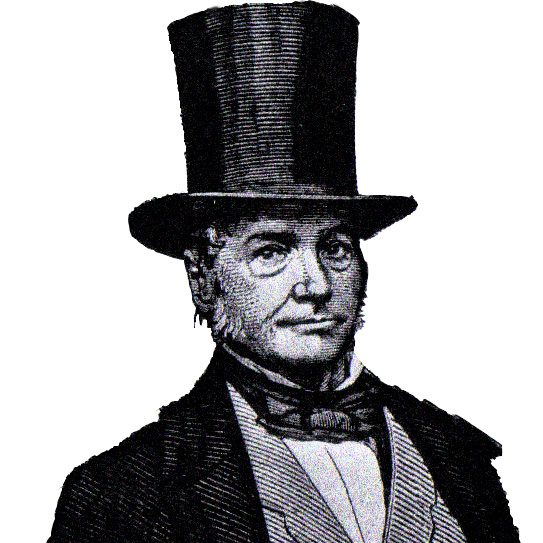
 James McLevy