
“Little Ireland” in Edinburgh was a 19th-century nickname for an area around Cowgate. This area, particularly near St Patrick’s Roman Catholic Church, became home to a significant number of Irish immigrants during the 19th century, especially following the Great Famine of the 1840s. The Cowgate, running east-west beneath South Bridge and George IV Bridge, was known for its overcrowded tenements and poor living conditions..It was a densely populated slum.

Key Facts:
- Location: Cowgate and surrounding closes (e.g., Guthrie Street, St Mary’s Wynd, and Pleasance).
- Time Period: Primarily mid-19th century.
- Population: Predominantly poor Irish Catholic immigrants, many working in labouring jobs or as hawkers.
- Living Conditions: Extremely overcrowded, with multiple families often sharing single-room dwellings. Poor sanitation and high mortality rates were common.
- Social Context: The area had a reputation for poverty and crime, and its residents faced discrimination. It was also a hub for Catholic worship in largely Presbyterian Edinburgh.
Historical Commentary
Dr. Henry Duncan Littlejohn, Edinburgh’s first Medical Officer of Health, published a comprehensive report in 1865 detailing the city’s sanitary conditions. His findings highlighted the dire state of areas like the Cowgate:
“The Cowgate, with its numerous wynds and closes, is one of the most densely populated and unhealthy districts in Edinburgh. The mortality rate here is significantly higher than in other parts of the city, primarily due to overcrowding, poor ventilation, and inadequate sanitation.”
Littlejohn’s report was instrumental in initiating public health reforms and urban improvements in Edinburgh. The area was one of the focuses of the Edinburgh Improvement Acts, which aimed to clear slums and “improve” urban living conditions.
🏘️ Key Landmarks in “Little Ireland”
- St Patrick’s Roman Catholic Church: Located at the eastern end of Cowgate, this church became a focal point for the Irish Catholic community in the 19th century.
- James Connolly’s Birthplace: The Irish revolutionary leader was born at 107 Cowgate in 1868.
- Magdalen Chapel: A 16th-century chapel situated on Cowgate, notable for its historical significance and architecture.
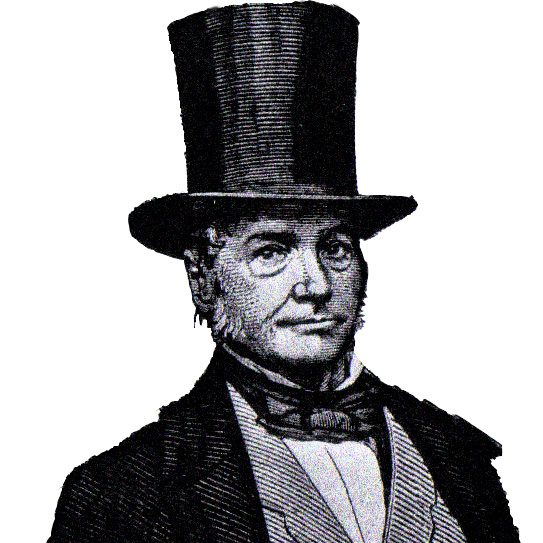
 James McLevy