
The Edinburgh Lock Hospital was located in the High School Yards, just off Infirmary Street in Edinburgh’s Old Town. This site was part of a broader medical quarter that included the Royal Infirmary of Edinburgh and the Surgeons’ Hall nearby.
Key Facts:
- Purpose: The hospital was established to treat women with venereal diseases, especially those involved in prostitution.
- Founded: In 1791, following the example of the London Lock Hospital.
- Patients: Primarily “fallen women” or prostitutes who were treated (and often detained) as part of public health efforts to control the spread of syphilis and other diseases.
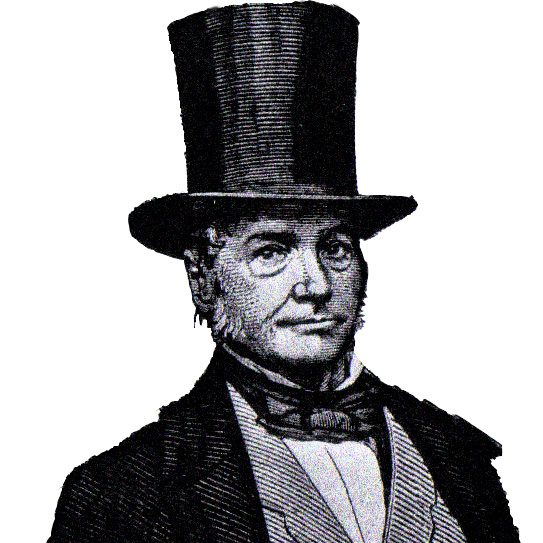
- Connection: William Tait, the author of Magdalenism, served as a house surgeon there.
- Later use: The site was eventually absorbed into the University of Edinburgh’s medical school facilities.

History of Lock Wards
There is some difference of opinion regarding the origin of the term “lock wards”, some holding that these were in fact “lock-ups” for the forcible segregation of patients, while others think that the name was derived from les locques, which were the dressings or rags with which leprous and poxy patients covered their sores, and which they were ordered to deposit in a receptacle outside the doors before entering a church.
The beginnings of hospital treatment in Edinburgh were small and humble. The first public hospital, which opened in 1729, had six beds. The hospital grew rapidly in size in subsequent years; the regulations forbade the admission of venereal cases, but there was provided “a salivation room”, clearly for the mercurial treatment of syphilis. It is recorded also that the physicians were to provide gratis from their own shops the medicines prescribed.
In December, 1741, a much larger hospital was opened and the regulations stated “patients suffering from incurable or very tedious illnesses were not to be admitted, nor those suffering from venereal diseases until special wards could be built for them”.
In 1750 one small ward was assigned for venereal cases and in 1751 another ward was authorised, making one for each sex.
There was a bagnio or bath house attached to the old hospital; it contained sweating rooms for which a fee of four shillings was exacted, and the “rubber” was strictly forbidden to accept a gratuity. This bagnio was demolished in 1884. These establishments were often used for the mercurial treatment of syphilis.
In 1811 the managers of the hospital decided that the female venereal patients should pay a fee of 3 guineas, but it was left to the discretion of the physicians to dispense with payment in whole or part. This was contrary to the charter and motto of the hospital, patet omnibus.
The varying fortunes of the Lock Wards are recorded in the hospital minutes.
In 1831 it was decided that the Lock Wards should be closed and appropriated to the reception of general patients. Among the reasons given were their high cost (£400 per annum) and also the fact that they did not contribute to the instruction of students who were strictly excluded from them.
In 1833 the Lock Ward was prepared for the reception of cases of delirium tremens, but in the following year the Magistrates requested the re-opening of the Lock Ward and offered the Managers the lease of a house in Surgeon’s Square for the purpose at a cost of £20 per annum. In these years, 1831-35, the staff of the hospital were taken severely to task for permitting the admission of syphilitic patients.
In 1831 it was decided that a fee of 10s. 6d. be exacted from women on admission to the Lock Ward and the income from this service was included in the accounts for many years.
It is recorded that in the year 1853-54 the average period of residence in the lock wards was 66 days. In 1863 a new Lock Hospital was established in the building formerly occupied by John Bell as a lecture room, which had been bought for £500. A plan of the hospital dated 1853 shows the separate building of the Lock Hospital in a corner of the grounds between the “burn hospital” and the “fever hospital”.
It is of interest that in 1831, the Commissioner of Police had requested the Managers of the hospital to increase the accommodation for V.D. because about sixty persons each year went to “Bridewell” solely to be treated for venereal complaints. In 1884 or 1885, a male lock ward of sixteen beds
 James McLevy