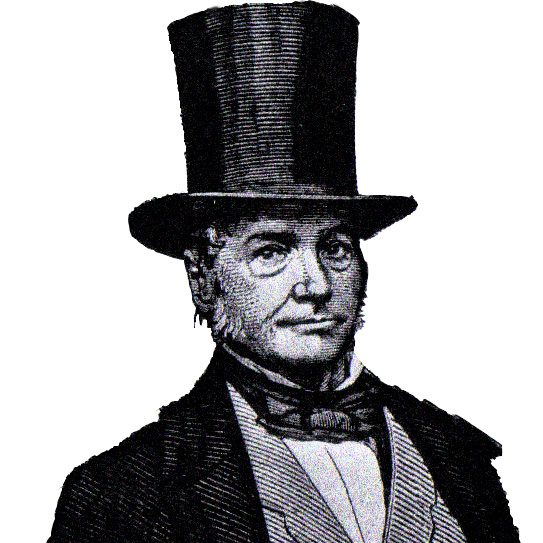

Scottish physician, obstetrician, and pioneer of anaesthesia

Early Life and Education
- Born: 7 June 1811, Bathgate, West Lothian, Scotland
- Family: Youngest of seven children in a working-class family; his father was a baker.
- Education:
- Attended the University of Edinburgh at age 14 — unusually young — and graduated with an M.D. in 1832, aged just 21.
- Initially trained in general medicine but developed a strong interest in obstetrics and midwifery.
Medical Career and Innovations
- Professor of Midwifery at the University of Edinburgh from 1840.
- Advocated for improving conditions for women during childbirth, both in hospitals and at home.
Pioneering Use of Anaesthesia
- In 1847, Simpson discovered the anaesthetic properties of chloroform, testing it on himself and colleagues during a dinner party.
- He was the first to use chloroform successfully in obstetrics, dramatically reducing the pain of childbirth.
- Faced opposition from religious and medical quarters, but gained public support after Queen Victoria used chloroform during the birth of Prince Leopold in 1853.
- Helped normalize pain relief during childbirth, previously regarded as unnatural or immoral.
Broader Contributions
- Promoted the use of hospital antiseptics, though he predated Joseph Lister’s work on germ theory.
- Advanced ideas in medical ethics, hospital reform, and epidemiology.
- Critic of poor conditions in hospitals; promoted better ventilation, hygiene, and maternity care.
- Proposed reforms in the registration of births and deaths for public health analysis.
- Coined the term “anaesthesia” from Greek: “an” (without) and “aisthēsis” (sensation).
Honours and Recognition
- Knighted by Queen Victoria in 1866, becoming Sir James Young Simpson.
- Elected to the Royal Society of London and Royal Society of Edinburgh.
- Widely revered in Scotland and beyond for humanitarian contributions to medicine.
Personal Life
- Married Jessie Grindlay in 1839; they had several children.
- Known for his deep Christian faith, compassion, and public service mindset.
- Remained in Edinburgh for most of his life, living at 52 Queen Street (now a museum in his honour).
Death and Legacy
- Died: 6 May 1870, Edinburgh, aged 58. Cause: angina or stroke.
- Buried in Warriston Cemetery, Edinburgh.
- A bronze statue of Simpson stands in Princes Street Gardens, Edinburgh.
- Remembered as a pioneer of modern anaesthetics, champion of women’s health, and a compassionate reformer.
 James McLevy