🏛️ The Making of Modern Scottish Towns:
Between 1838 and 1862, Scottish towns underwent major transformation. In response to industrial growth, overcrowding, and public health crises, Parliament passed a series of powerful acts that allowed burghs to take control of policing, sanitation, lighting, and water supply.
These laws didn’t just clean up cities like Edinburgh and Glasgow—they laid the foundation for modern local government across Scotland.
1838 – General Police and Improvement (Scotland) Act
This was the first major act to give Scottish towns real powers to modernise.
What it allowed towns to do:
- Establish salaried, uniformed police forces
- Install gas street lighting
- Pave streets and repair roads
- Build sewers and drains
- Provide water supplies
- Deal with nuisances like refuse or dangerous buildings
How it worked:
Towns had to opt in through a vote or petition. Larger burghs adopted it quickly, while smaller towns followed more gradually.
Why it mattered:
It brought structure to policing and public health. It turned informal watchmen into proper police officers and gave towns legal power to tackle the filth and disease of early industrial life.
1850 – Police of Towns (Scotland) Act
This act replaced and expanded the 1838 law. It offered a more flexible and comprehensive set of powers.
Key improvements:
- Extended powers over sanitation, water, slaughterhouses, street cleaning, and more
- Made it easier for burghs to adopt powers incrementally
- Allowed towns to regulate markets, dangerous buildings, and fire prevention
Impact:
More towns began to adopt urban improvement powers. It helped local authorities respond to growing populations and worsening public health.
1862 – General Police and Improvement (Scotland) Act (Consolidation)
This act brought everything together into one standardised law. It made the process smoother and easier to manage.
Highlights:
- Combined and clarified the powers from 1838 and 1850
- Simplified adoption procedures for councils
- Let towns take up multiple powers in one go—police, water, lighting, sewage, and more
Legacy:
By the 1870s, most Scottish towns had adopted some or all of these powers. It marked the beginning of truly modern municipal government in Scotland.
🧼 What Could Burghs Do Under These Acts?
Across all three acts, Scottish towns were empowered to:
- Hire and train full-time police officers
- Install and maintain gas lighting on streets
- Regulate sanitation, refuse removal, and public health
- Build and maintain roads, footpaths, and sewers
- Supply clean water to homes and public fountains
- Control public nuisances and dangerous buildings
- Establish fire brigades and regulate fire prevention
- Manage public markets and slaughterhouses
🏙️ Why These Laws Matter Today
These acts were part of the Victorian “municipal revolution.” They marked a shift in responsibility from national government and private landlords to local councils and public services. They also made Scotland’s cities more liveable, safer, and better governed.
Towns like Edinburgh, Glasgow, Dundee, Aberdeen, and Paisley used these powers to launch long-term improvements in public health, policing, and infrastructure, much of which still shapes urban Scotland today.
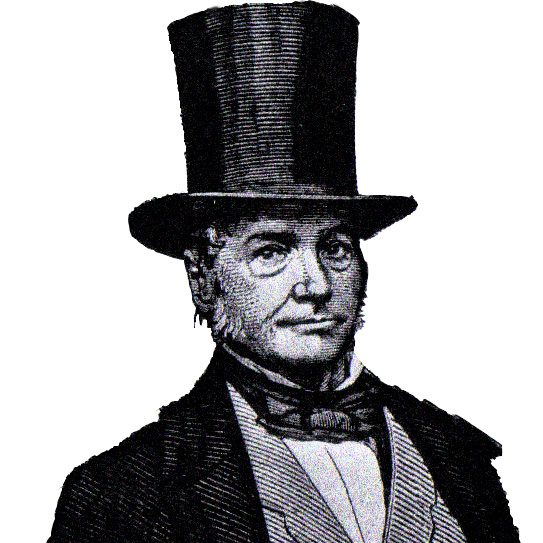
 James McLevy