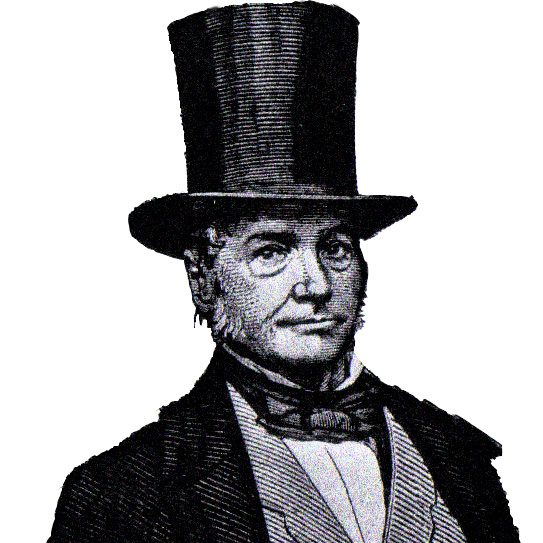
Early Life and Training
Joseph Lister was born in 1827 in Upton, Essex. Raised in a Quaker family, he was introduced to science and microscopy by his father, Joseph Jackson Lister, a pioneer in lens technology. Lister studied medicine at University College London and qualified as a surgeon in 1852.
Move to Edinburgh
In 1853, Lister moved to Edinburgh to become assistant to the renowned surgeon James Syme at the Royal Infirmary of Edinburgh. Syme was one of Britain’s leading surgical figures, and his mentorship profoundly shaped Lister’s career. In 1856, Lister married Syme’s daughter, Agnes.
During his time in Edinburgh, Lister refined his surgical skills and developed a deep respect for method and observation, both of which would later underpin his revolutionary work.
The Antiseptic Breakthrough
In the 1860s, while working at Glasgow Royal Infirmary, Lister was inspired by Louis Pasteur’s research into germs. Lister hypothesised that surgical infections were caused by airborne microorganisms. In 1865, he began using carbolic acid (phenol) to clean wounds, instruments, and surgical dressings.
The results were dramatic: patients who previously would have died from infection began to recover. His antiseptic methods became the foundation for modern surgical practice.
Influence on Edinburgh
Although Lister’s antiseptic breakthrough occurred in Glasgow, its roots were firmly planted during his time in Edinburgh. Many of his former colleagues at the Royal Infirmary quickly adopted his techniques. Edinburgh, as a leading centre of medical teaching, played a key role in spreading Lister’s ideas throughout Britain and beyond.
Later Life and Honours
Lister was made Baron Lister of Lyme Regis in 1897, becoming one of the first medical men to be elevated to the peerage. He continued to influence medical practice and education until his death in 1912.
Legacy in Edinburgh
- A building at the University of Edinburgh’s Medical School is named the Lister Building in his honour.
- Plaques and commemorations mark his work at the former Royal Infirmary site on Lauriston Place.
- Lister’s contribution is remembered as a turning point in surgical history, much of it shaped by his formative years in Edinburgh.
Image Suggestions for Your Post
- Portrait of Joseph Lister (c. 1860s)
- Royal Infirmary of Edinburgh (19th century view)
- Carbolic acid spray used in surgery
- Statue or plaque of Lister in Edinburgh
- Illustration of a 19th-century surgical theatre
 James McLevy