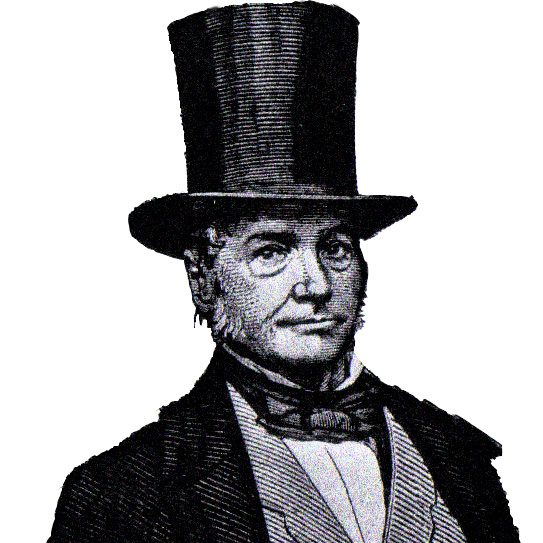
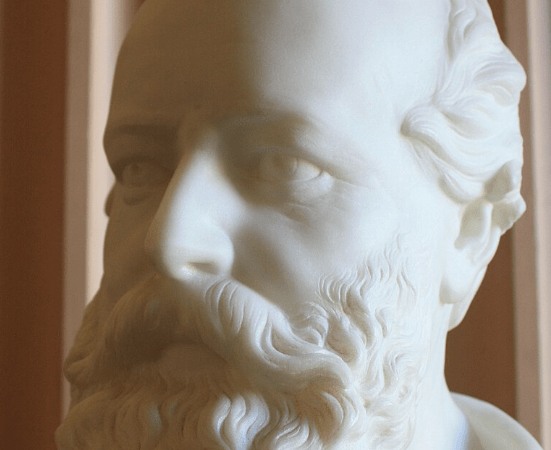
Dr. Thomas Laycock (1812–1876) was a pioneering 19th-century British physician and neurologist whose work laid the foundations for modern neurophysiology and psychiatry. Though less widely known today, he was a key figure in integrating the mind and nervous system within medical science, particularly in Scotland, where he held a prominent position at the University of Edinburgh.
🔬 Early Life and Education
- Born: 1812, Wetherby, Yorkshire, England.
- Education:
- Trained first as an apprentice in general medicine.
- Studied at University College London.
- Completed his MD at Göttingen University, Germany in 1839—a leading scientific hub at the time.
Laycock was influenced by both German physiological science and British empirical medicine, an unusual and fruitful combination in an era when psychology, neurology, and physiology were not yet clearly separated.
🧠 Key Contributions
1. Reflex Function of the Brain
- Laycock argued that reflex actions were not limited to the spinal cord and peripheral nerves but extended to brain activity—an early assertion of what we now call neuropsychology.
- He wrote that mental processes operated in part like reflexes—automatic, patterned responses to stimuli.
This was radical in its time, as it challenged the dualist idea (mind vs. body) and pushed toward a more materialist view of mental function.
2. Link Between Nervous System and Mental Illness
- Laycock was one of the first to suggest mental illness could be explained in neurological terms, rather than purely moral or spiritual failings (the dominant view then).
- He laid the groundwork for what would later become biological psychiatry.
3. Medical Psychology
- He emphasised that psychological health was inseparable from physical health, especially the state of the nervous system.
- He promoted the integration of psychology into medical training.
📚 Academic Career in Edinburgh
- Appointed Professor of the Practice of Medicine at the University of Edinburgh in 1855.
- Held the post until his death in 1876.
- He taught generations of physicians and helped transform Edinburgh into a hub of neurological and psychiatric research.
His Edinburgh tenure placed him among the greats of Scottish medical education, alongside figures like Sir James Young Simpson (anaesthetics) and Joseph Lister (antisepsis).
🖋️ Publications
- “Treatise on the Nervous Diseases of Womenhttps://www.google.es/books/edition/A_Treatise_on_the_Nervous_Diseases_of_Wo/dKyz4LReqvsC?hl=en&gbpv=0” (1840) – addressed the physical basis of so-called “hysteria,” challenging many sexist medical assumptions of the time.
- Essays on the Reflex Functions of the Brain – anticipated ideas that would become central to neuroscience.
- Published widely in medical journals, often tackling mental health, epilepsy, and neurophysiology.
⚰️ Death and Legacy
- Died: 1876 in Edinburgh.
- Remembered for:
- Bridging physiology, neurology, and psychology.
- Teaching and influencing a generation of doctors at Edinburgh.
- Pioneering a scientific view of the mind, rooted in brain function.
While overshadowed by later neurologists like Hughlings Jackson, Laycock’s early work helped legitimise the idea that mental processes had biological roots.
🏛️ Memorials and Influence in Edinburgh
- Laycock is often mentioned in the context of 19th-century Edinburgh medical reform.
- His name is less prominent than some contemporaries, but historians of psychiatry and neurology regard him as a visionary precursor.
 James McLevy