👦 Reforming Juvenile Justice in 19th-Century Edinburgh: A Summary
During the 1800s, Edinburgh—like much of Scotland—began rethinking how it dealt with children who broke the law. The old system treated young offenders much like adults, but from the 1840s onward, Edinburgh increasingly focused on prevention, separation, and rehabilitation.
🔨 From Punishment to Reform
In early 19th-century Edinburgh, children as young as 7 could be imprisoned in the Calton Jail or whipped under police court orders. This approach was harsh and often counterproductive.
By the 1840s, concern grew among local reformers and magistrates that children were being corrupted further by mixing with adult criminals. Reports in 1847–48 show growing public criticism of flogging and imprisonment for petty offences committed by children.
🏫 The Rise of Industrial Schools
A major shift came in 1854, when Edinburgh’s first certified Industrial School opened at Canonmills (run by the Edinburgh Industrial School Society). It provided food, shelter, and training to destitute or offending children.
- In 1855, the House of Refuge and Industrial School for Girls was opened in Edinburgh.
- These schools could receive children even if they had committed no crime—being homeless, begging, or deemed “at risk” was enough.
The system was formalised by the Industrial Schools (Scotland) Act of 1861, giving Edinburgh magistrates the power to send children to certified schools instead of prison.
👮 Police Courts and Child Offenders
Edinburgh’s Police Courts, under the 1848 Police Act, routinely dealt with juvenile offenders. Common punishments included:
- Whipping (usually ordered for boys under 14)
- Short prison terms
- Admission to the House of Refuge or industrial schools
Court records from the 1850s–1860s show that magistrates often ordered whipping for theft or vandalism, especially if it was a first offence. These punishments were carried out privately at police stations or prisons like Calton Jail.
⏳ Shift Toward Rehabilitation
By the 1860s, public opinion in Edinburgh had turned further toward rehabilitation over corporal punishment. The number of children sent to industrial schools rose significantly:
- In 1865, over 1,000 children in Edinburgh were attending industrial or reform schools.
- Some received apprenticeships or training in trades like tailoring, printing, and shoemaking.
🏁 A Legacy of Change
By the late 1860s, Edinburgh had established itself as a centre of progressive juvenile justice in Scotland. Harsh physical punishment declined, and institutions focused more on discipline, education, and reform.
This laid the groundwork for Scotland’s later leadership in child welfare and for the Children Act of 1908, which formally removed children from adult criminal courts.
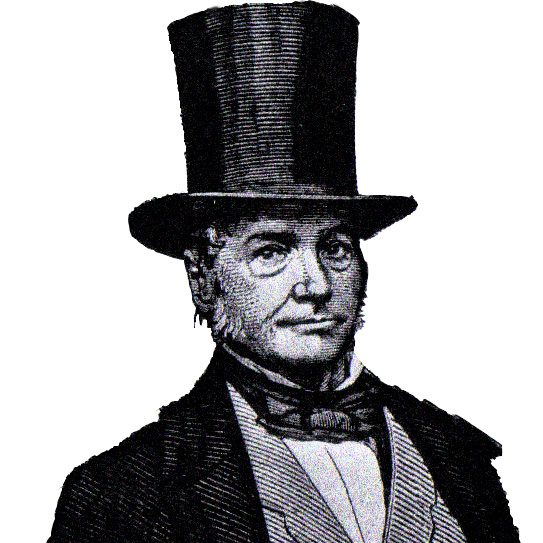
 James McLevy