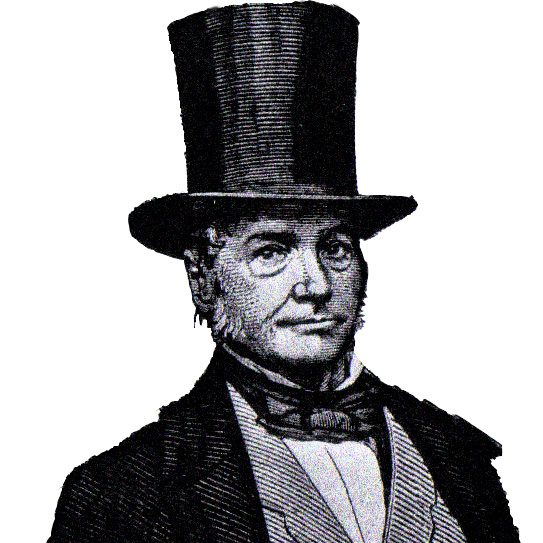
The 1860s were a defining period in Edinburgh’s long history—a decade when the city began to tackle head-on the challenges of urban decay, poverty, and poor health that had dogged its Old Town for generations. While the grandeur of the New Town continued to symbolise the wealth and learning of the Scottish capital, the 1860s saw bold efforts to remake the older parts of the city into a healthier, safer environment for all its residents.
Timeline of Key Events – Edinburgh in the 1860s
| Year | Event | Significance |
|---|---|---|
| 1861 | Census reveals population growth in Edinburgh | Confirms pressure on housing and sanitation as Old Town overcrowding intensifies |
| 1861 | Death of Prince Albert | Triggers national mourning; Queen Victoria enters prolonged seclusion |
| 1865 | Henry Littlejohn publishes his sanitary report | Exposes the link between poverty, housing, and disease; provides a blueprint for reform |
| 1866 | Drafting of Edinburgh City Improvement Bill begins | Marks formal steps towards large-scale slum clearance and urban renewal |
| 1866 | Financial panic and bank collapse (Panic of 1866) | Exposes vulnerabilities in Britain’s financial system; leads to calls for reform |
| 1867 | Edinburgh City Improvement Act passed | Enables major slum clearance and reconstruction in the Old Town |
| 1867 | The first major visible outcome of City Improvement Act works, with better sanitation | Extends the vote to urban working-class men across Britain and Scotland |
| 1868 | Slum clearance and street widening begin | Blackfriars Wynd and nearby closes demolished to make way for healthier housing |
| 1868 | William Gladstone becomes Prime Minister | Begins a series of reforms including Irish Church disestablishment |
| 1869 | New tenements and improved streets appear in Edinburgh | Begins a series of reforms, including Irish Church disestablishment |
| 1869 | Disestablishment of the Church of Ireland | Drafting of the Edinburgh City Improvement Bill begins |
Urban Renewal and the City Improvement Act
The most significant milestone of the decade was the Edinburgh City Improvement Act of 1867, which launched an ambitious programme of slum clearance and urban reconstruction. For decades, areas like Blackfriars Wynd, Todricks Wynd, and many of the closes of the Old Town had been notorious for overcrowding, poor sanitation, and high mortality rates.
The Act empowered the city to demolish some of the most squalid parts of the Old Town and replace them with wider streets, better-ventilated housing, and modern sanitation facilities. One of the first major projects was the creation of Blackfriars Street, which replaced the old wynd of the same name. These changes dramatically altered the cityscape, sweeping away medieval alleyways in favour of broader, straighter roads and planned tenements.
Key features of this urban renewal included:
- New housing with internal water closets (WCs) and improved drainage systems.
- Shared open spaces for hanging washing and discouraging rubbish dumping.
- A reduction in the average number of people per room—from over 3 persons per room to around 2.3—signalling a slow improvement in living standards.
Public Health and Sanitation Reform
The 1860s also marked the culmination of years of public health campaigning. Influenced by the groundbreaking 1865 report by Dr. Henry Littlejohn, the City Improvement Act and related works aimed not just at changing the appearance of the city, but at fighting the spread of diseases such as typhus, cholera, and tuberculosis.
For the first time, large-scale planning linked housing quality, street design, and sanitation to the health of Edinburgh’s population. The reforms of this decade would inspire further improvements in future years.
Cultural and Civic Life
Even as the Old Town was reshaped, Edinburgh’s identity as a centre of culture, education, and science remained strong. The National Gallery of Scotland (opened in 1859) continued to flourish, and the Royal Infirmary of Edinburgh expanded its role as a leading medical institution. Educational reformers like Dr. Thomas Guthrie, famous for his work on ragged schools, continued to advocate for social improvement and temperance.
The city’s architecture also evolved during this time, with Victorian Gothic elements increasingly appearing alongside the established Georgian and neoclassical styles. This mixture of old and new reflected Edinburgh’s own journey—a city rooted in history but looking to the future.
Legacy of the 1860s
The 1860s left a permanent mark on Edinburgh. The decade’s reforms laid the foundations for a healthier, more liveable city, though not without controversy—the loss of much of the Old Town’s medieval character was lamented by many at the time and ever since. Yet the changes also reflected the city’s determination to face modern challenges with vision and purpose, setting the stage for further civic improvements in the decades ahead.
 James McLevy