The 1870s were a decade of continued progress for Edinburgh. The city’s character evolved as new public buildings, educational reforms, and civic amenities reshaped both its skyline and the lives of its inhabitants.
Timeline of Key Events – Edinburgh and the UK in the 1870s
| Year | Event | Significance |
|---|---|---|
| 1870 | Start of major redevelopment of Jeffrey Street and Chambers Street | Further reshaping of the Old Town; slum clearance continues |
| 1871 | Edinburgh’s population approaches 200,000 | Reflects continued urban expansion and suburban growth |
| 1872 | Education (Scotland) Act passed | Introduces compulsory schooling; leads to school-building boom |
| 1874 | Construction begins on St Mary’s Episcopal Cathedral | Symbol of Edinburgh’s growing Victorian Gothic architecture |
| 1876 | Trams extended to new suburbs | Improves connection between city centre and outlying districts |
| 1879 | New Royal Infirmary opens at Lauriston Place | Major advance in hospital care and public health provision |
| Throughout the 1870s | Expansion of Marchmont, Bruntsfield, and Morningside | Provides middle-class housing and reflects suburbanisation |
Urban Growth and Civic Development
The major slum clearance and street improvement schemes launched in the 1860s carried on through the 1870s. Areas such as Blackfriars Street, Chambers Street, and Jeffrey Street became symbols of the new, ordered city, replacing the cramped wynds and closes of the Old Town. The construction of grand civic buildings, like the Royal Infirmary of Edinburgh (opened 1879) at Lauriston Place, showcased the city’s commitment to modern public health.
New suburbs, including parts of Marchmont, Morningside, and Bruntsfield, began to develop rapidly. These areas provided middle-class housing in cleaner, greener surroundings, as tramways and improved road networks connected them more closely to the city centre.
Education and Cultural Life
The 1870s were marked by the impact of the 1872 Education (Scotland) Act, which introduced compulsory schooling for children and helped raise literacy rates. New schools were built across Edinburgh, and the city’s historic role as a centre of learning was reinforced.
Culturally, Edinburgh’s intellectual life thrived. The National Gallery, National Museum of Antiquities, and Royal Scottish Academy continued to develop their collections. Meanwhile, the city’s literary traditions were upheld by figures like Robert Louis Stevenson, who was beginning to make his mark.
Public Health and Social Reform
Public health measures continued to improve, building on the work of reformers like Henry Littlejohn. New drainage schemes, water supplies, and the expansion of public parks (such as The Meadows and Princes Street Gardens) reflected growing civic pride and a desire to improve urban living conditions.
Legacy of the 1870s
The 1870s helped define modern Edinburgh. The city’s grand civic vision, backed by improvements in health, housing, and education, created a more liveable and cohesive urban environment. The changes of this decade paved the way for Edinburgh’s emergence as a modern capital ready to meet the challenges of the 20th century.
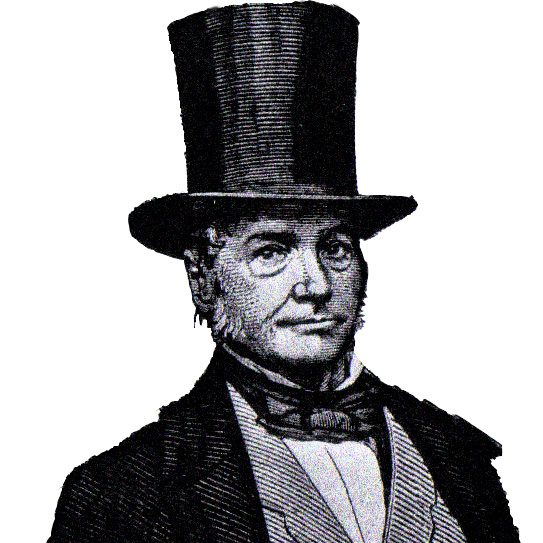
 James McLevy