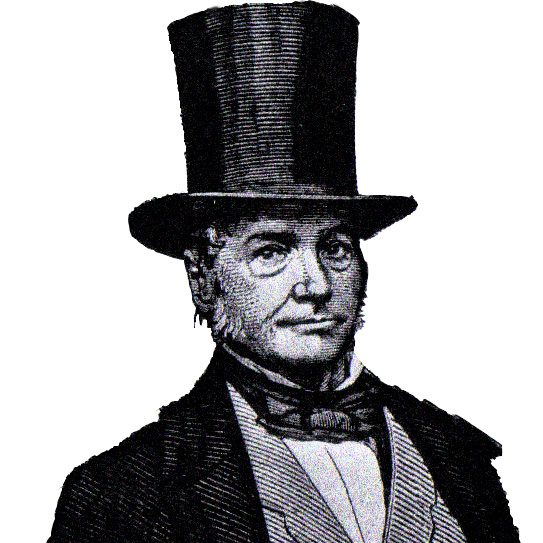
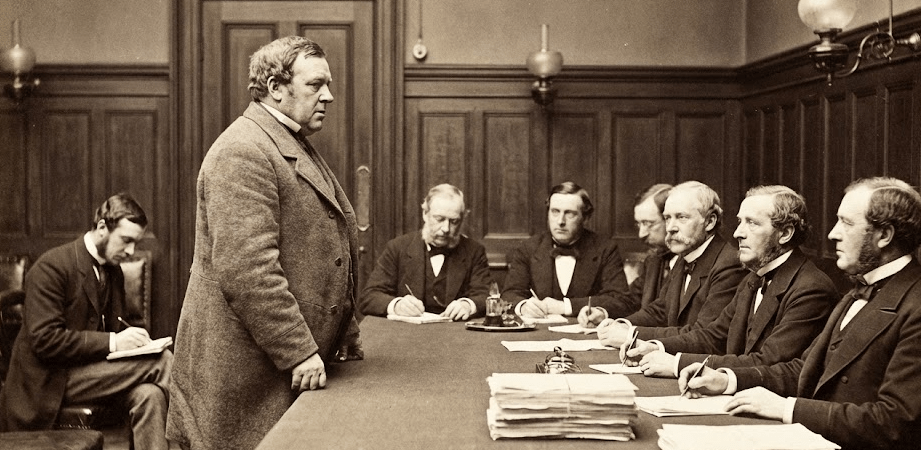
James M‘Levy, the well-known detective officer in Edinburgh, was examined before the Committee on Monday. He thought that the ticket-of-leave system was a bad one. Ticket-of-leave men, when they returned to Edinburgh, were perhaps worse than before they were sent away. Six of them had been sentenced to twenty-one years’ transportation. He knew ten or twelve ticket-of-leave men who had been again tried and sentenced ; four or five who, although they had not been again tried, were leading a bad life ; and one or two were now in jail awaiting their trial. He had no means of knowing the entire number of ticket-of-leave men who had returned to Edinburgh. The criminals themselves would prefer fifteen years’ transportation to eight or nine years’ penal servitude. He knew one ticket-of-leave man, but only one,—and he was not a common thief,—who was leading an honest life. It would be a great service to the police if information were supplied to them by the Home Office of the number of ticket-of-leave men returned to Edinburgh.
The Witness June 14th 1856
The “Ticket-of-Leave” system mentioned in the article was essentially the Victorian forerunner to modern-day parole.
1. The Context: The End of Transportation
For decades, Britain dealt with serious criminals by shipping them to colonies like Australia (Transportation). However, by the 1850s, the colonies were refusing to accept more convicts. Britain suddenly had to deal with thousands of criminals at home.
2. How the Ticket Works
To manage overcrowding in British prisons, the Penal Servitude Act of 1853 was introduced.
- Good Behaviour: If a prisoner sentenced to “Penal Servitude” (hard labour in a UK prison) behaved well, they could be released before their sentence was fully up.
- The Licence: They were issued a “Ticket of Leave” (a licence).
- Conditions: They were free to work and live in society, provided they did not commit new crimes and rarely had to report to police.
3. M’Levy’s Criticism
- Lack of Supervision: M’Levy complains that the Home Office didn’t tell the Edinburgh police who was being released. The police had no way of tracking these “Ticket-of-Leave men” unless detectives like M’Levy recognized them by face.
 James McLevy