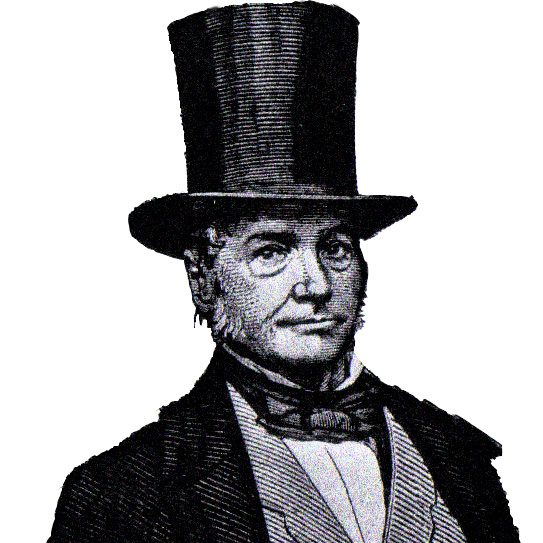

Mr. James McLevy, a detective officer in Edinburgh for 22 years, testified about his experience with the “tickets of leave” system implemented after the 1853 law that substituted penal servitude for transportation. A ticket of leave was an early form of parole. His key points were:
- The “tickets of leave” system is ineffective: McLevy believes the system doesn’t reform criminals. He stated that individuals released on these tickets often return to their old habits and associates.
- Recidivism: He knows of nine individuals with tickets of leave who have been retried and sentenced. Additionally, four or five others are leading criminal lives without being convicted again.
- Specific cases: Six individuals sentenced to 21 years and two others sentenced to 15 years’ transportation have come to his attention since the 1853 Act. Two others received 60-day sentences in a police court and were then sent to London.
- Grounds for his opinion : McLevy bases his opinion on the observation that released offenders return to their former haunts and criminal associates.
Mr. James Mc Levy, called in; and Examined.
- Sir John Pakington. WHAT are you? A detective officer.
- Where?-At Edinburgh.
- How long have you filled that situation?-Twenty-two years.
- As a detective officer in Edinburgh, has your attention been directed to the working of the law of 1853, which substituted penal servitude for transportation in certain cases? Yes.
- Have you given your attention to the effects of the tickets of leave which have been granted to persons under sentence of transportation since that Act was passed? Yes.
- Will you explain to the Committee what is the result of your experience of those tickets of leave in the city of Edinburgh consider it not a good system.
- What are your reasons for considering that it is not a good system?-Because the men are as bad when they come home to Edinburgh, or much worse, than before they were sent away.
- You mean that persons coming back to Edinburgh bearing tickets of leave after a period on public works, are in your opinion, not reformed?-No; the parties whom I speak of are thieves.
- Upon what grounds do you form that opinion-As soon as they arrive, they go into their old haunts, and associate with bad characters.
- Are you speaking of men who were residing in Edinburgh before their
conviction?-I am. - How many of such cases have come under your observation? There have been six sentenced to 21 years since they came home.
- Six persons bearing tickets of leave? Yes.
- Are those six persons the only persons bearing tickets of leave who have come before the courts at Edinburgh since the Act of 1853 passed? There have
been other two, who were tried and got 15 years’ transportation. - Any more? There has been one who was transported for life? I know of other four or five, who are leading a very bad life, associating with thieves, and
living in bad houses, but who have not been convicted since they came home. - Then the result of your statement is this, that you know of nine persons bearing tickets of leave, who have been again tried and sentenced since they returned, and you know of four or five others who, although they have not been again tried, are leading a bad life; is that the result of your experionco? There have been two convicted in a police court, and who were were sentenced to 60 days each, and after their time was up they were sent to London; to the same place
where they came from. - Were those two part of the four or five leading a bad life whom you just now mentioned? No.
- Besides them?-Besides them.
- Do you know of any others? There is one in prison just now, awaiting trial; it was just this month, last year, when he arrived, and he has been going on the same as he did before he was transported,
- Then am I to understand that you know, in all, of so.ne 15 or 16 persons in Edinburgh who have led a bad life since they returned with tickets of loave? -Yes,
- Have you any knowledge of the total number of persons bearing tickets of leave who have returned to Edinburgh?-No.
- Therefore you are quite unable to tell what proportion these 15 or 16 persons may bear to the whole number of ticket-of-leave men who have come back to Edinburgh?-1 am not able to tell that.
- And your whole opinion of the bad working of the ticket-of-leave system is founded upon those 15 or 16 cases; is that so? Yes.
- You have no other reason for the opinion which you have expressed to this Committee-No other reason, only the life which the men were leading till they were sent away.
- Have you, from from your position as a detective officer, any knowledge of the opinions entertained by the criminal classes with respect to the two modes of punishment? I cannot speak as to the penal service.
- You have no knowledge whether penal servitude or transportation is regarded by the criminal class as being the severer punishment? They allow that the penal service is; they would rather get 15 years’ transportation than eight
years’ penal service; that is what they say themselves. - 2305. That is within your knowledge? Yes.
- Have you ever heard similar opinions expressed with reference to the shorter periods of punishment?-I cannot say as to that; my opinion is, that short punishment has very little effect.
- Mr. Beckett Denison. If you were to be told that out of 100 men who had received tickets of leave to go back to Edinburgh, having been previously convicted, it was ascertained that there were only 20 who relapsed into crime, should you think that that was above or below the number which you believe would be the case?-I do not know. I cannot tell the number that has arrived in Edinburgh. I can only tell the number that I knew personally before they
were sent away. - 2308. Your opinion is that the ticket-of-leave system is bad? That is my opinion.
- Following that up, I want to ask you this question If it could be proved that out of every 100 men who had received tickets of leave, there were only 20 who had relapsed into crime, should you then say that, in your opinion, the Act had failed, and had worked badly? I cannot give any opinion upon that.
- If it were to be stated that only eight out of every 100 had relapsed into crime, what should you say. Should you believe that statement?-1 think it is a very small number out of so many.
- 2311. Is it so small that you can hardly believe it to be true? If they were
all common thieves before they went away I would hardly take it in. These common thieves of Edinburgh, when they come back will be so again. - A witness has stated, that of the whole number of tickets of leavo which had been granted, he only knew of eight out of every 100 who had relapsed into crime; and making a very liberal allowance for others who were not known, he put it at 12 more, which make 20 out of every 100. If that could be proved, should you continue to say that the Act had failed in its effect?-I cannot answer that question.
- Mr. Deedes. These cases which you have been speaking of to the Committee are entirely confined to men who have returned since this Act came into operation-Yes; men that I know.
- For about 18 years before that you were in the same position in which you are now, namely, a detective officer in Edinburgh? Yes.
- During that period of time did you know any number of cases, and if so what number, of convicts who returned to Edinburgh, having been punished and sent away from there, and who again fell into bad habits? There were not many each year. They generally had long sentences.
- At the end of the time, when they came back, what were their habits; were they reformed, or did they fall again into crime?-I know of some who fell into into crime after they came back; very few; the greater number did not come back.
- But of those who did come back, what proportion fell into crime, within your knowledge? Perhaps there might be three or four in two years.
- And you had considerable knowledge of all persons convicted in Edinburgh? Yes. I was generally a witness in the ease, or otherwise present when they were tried.
- Mr. John Wynne.] You have given us an account of a certain number who have relapsed into crime; can you, from your position as a detective, tell us of any of these ticket-of-leave men who have conducted themselves honestly?-I do not know of one.
- Have you any information of any of the ticket-of-leave men in Edinburgh except those who have come before you upon being tried for offences There is
just one that I know. - Is he leading an honest life or not? He was not a common thief when
he was sent away; it was his first offence. - What life is he leading now? I believe him to be leading an honest life, as far as I know.
- Sir John Pakington.] Is there any system at all at Edinburgh by which, when a ticket-of-leave man returns there, any information is given to your police?
-Not any. - Following up the opinion which you have expressed, let me ask you this question; suppose a prisoner to be convicted in Edinburgh, and sentenced to four years’ penal servitude, and at the end of that time to come back to Edinburgh, would you prefer his coming back with or without a ticket of leave? I have not seen any of them yet in Edinburgh.
- Which do you think would be best; for him to come back without a ticket of leave, or with such a check as a ticket of leave may impose; which should you prefer, as a police officer there?–I think it would just be as well to let them go without a ticket.
- Mr. Beckett Denison.] Would it not be more desirable that the parties in Edinburglı, or in any other place, should know from the Secretary of State’s Office or some other, that half-a-dozen men, or half a score men by name were sent back into their neighbourhood from whence they came; might it not help the police officers without damaging the free action of the parties themselves?-I do not think it would in Edinburgh. I will explain one case of a ticket-of-leave man, the first that I saw in Edinburgh. His name was G. B.; he was just seven weeks home, and within those seven weeks there were seven different acts of theft against him, and not an officer in Edinburgh knew that he was home. I recovered the articles which had been stolen in the seven different acts in a broker’s shop, and the broker told me that generally the thief came and sold the goods to him; the same night I watched at 8 o’clock, and found him coming with some more stolen goods to the same shop.


 James McLevy